
Signs of College Readiness: How to Know If a Student Is Truly Prepared

College readiness is about far more than grades and test scores. Students who thrive in college also demonstrate independence, emotional maturity, practical life skills, and academic preparedness. Understanding the full picture of college readiness can help families support their students in meaningful, realistic ways while they are still in high school, equipping them to be ready for the next step in their educational and life journeys.
Here are some key signs that a student is truly ready for the academic and personal demands of college.
1. Academic Readiness Goes Beyond GPA
College-ready students can manage college-level work independently and consistently.
Key indicators for the ability to succeed academically include:
Strong reading, writing, and math foundations
Thinking critically, analyzing information, and applying concepts
Effective study habits and time management
Experience with rigorous coursework (honors, AP, IB, or dual enrollment)
Willingness to seek help from teachers or tutors when needed
Grades do matter. But what matters most is a student’s ability to persist, put in the effort, and develop new strategies to succeed academically.
2. Independence and Self-Management Skills
In college, students are responsible for managing their own schedules, assignments, and priorities.
College-ready students typically:
Meet deadlines without frequent reminders
Manage long-term projects independently
Balance academics with extracurriculars, work, or family commitments
Stay focused and manage distractions
Take responsibility for mistakes and learn from them
These skills are developed over time through experience, learning from mistakes, and using tools and strategies that enhance successful outcomes. Experience can truly be the best teacher.
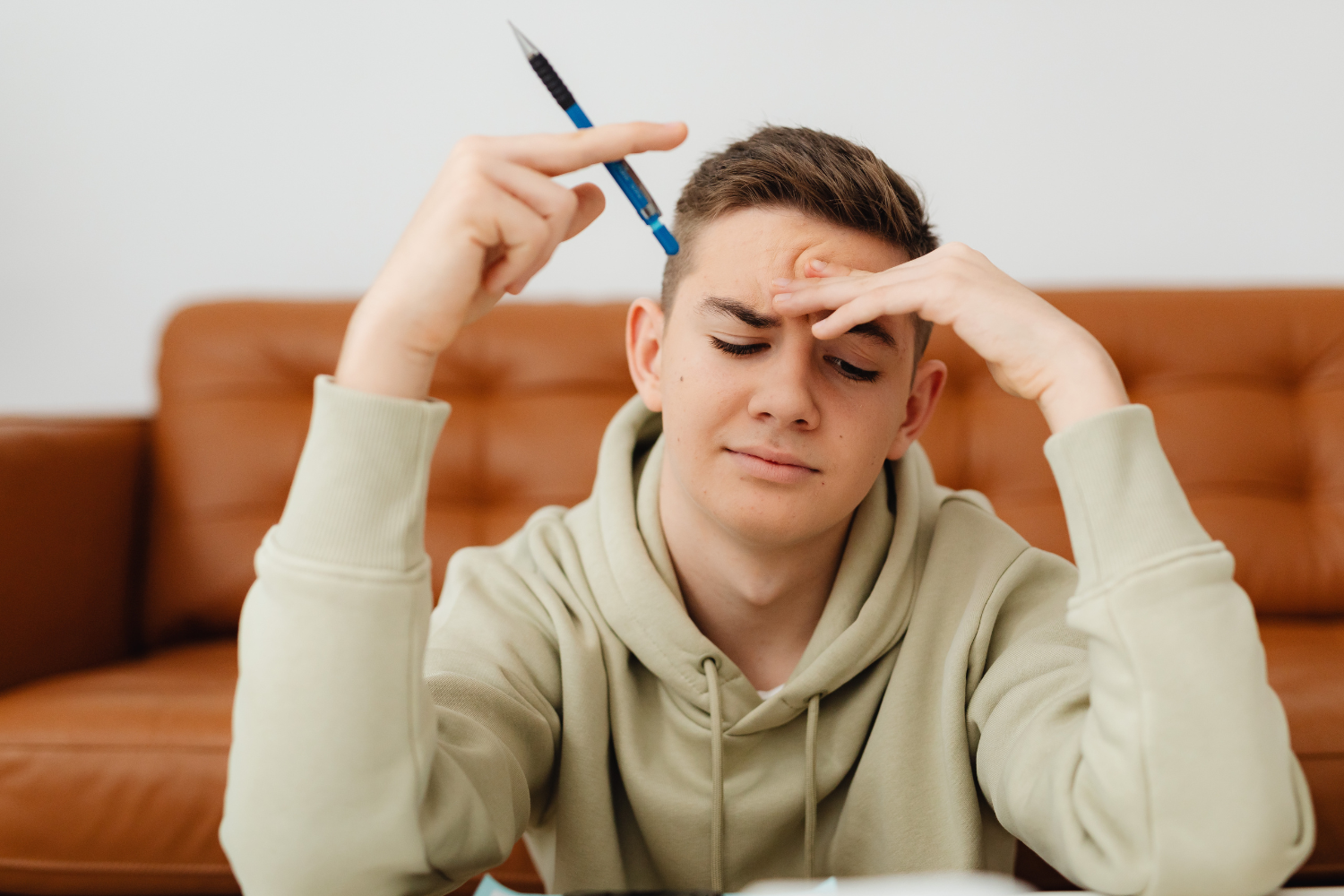
3. Emotional and Social Readiness
Academic ability alone does not guarantee college success. Emotional maturity plays a critical role.
Signs of social-emotional readiness include:
Comfort navigating new environments and relationships
Ability to handle stress, disappointment, and feedback
Healthy coping strategies for challenges
Respectful communication with peers and adults.
Works well with others and respects different viewpoints.
Aware of strengths and areas for improvement
Students should be developing resilience and self-awareness.
4. Understanding How to Navigate College
College-ready students have a basic understanding of how college works, even if they’re still exploring options.
This includes:
Understanding of academic advising, office hours, and campus resources. Often this is covered during orientation for new students or during welcome week before freshman year.
Realistic expectations about college workload and independence. This is often learned in the first term of freshman year. It’s definitely an eye-opening time for many.
Willingness to get the support they need.
This knowledge reduces anxiety and empowers students to advocate for themselves.

5. Practical Life Skills Matter More Than You Think
Success in college depends on everyday skills students often practice for the first time on their own.
College-ready students can:
Manage their money and budget their spending effectively
Handle basic self-care (sleep, meals, health appointments)
Know how to do laundry, cook basic meals, and clean up after themselves.
Navigate transportation, schedules, and responsibilities
These skills support independence and confidence during the transition to college life.
6. A Growth Mindset Makes the Difference
Mindset is arguably the most important indicator of college readiness.
Student with a college-ready mindset:
Believe they can improve with effort
Accept challenges as part of learning
Seek feedback rather than avoid it
Ask for help without shame. Support is available through tutoring, Writing and Math Centers, mental health services, and workshops on study skills and other executive functions.
Students who approach college with curiosity and adaptability are better equipped to succeed, even when things get hard.
Final Thoughts: College Readiness Is Developmental
College readiness isn’t a single milestone; it’s a process. Students develop readiness over time through academic challenges, real-world experiences, and increasing independence.
The goal isn’t to eliminate struggle, but to ensure students have the tools and mindset to navigate it.
When families focus on growth rather than perfection, students enter college not just prepared, but empowered to navigate the road to a college degree and beyond.
To learn more about me or my services, visit my website.
For the latest tips and advice, be sure to follow along on my social media.