
Make Your Summer Count: A Planning Guide for High School Students

Planning for a purposeful summer begins well ahead of the last day of school. What is meant by “purposeful”? Well, it’s not about being busy with activities you think colleges might like. It’s about exploration, personal experiences that foster growth and independence, and developing curiosity.
Community Service
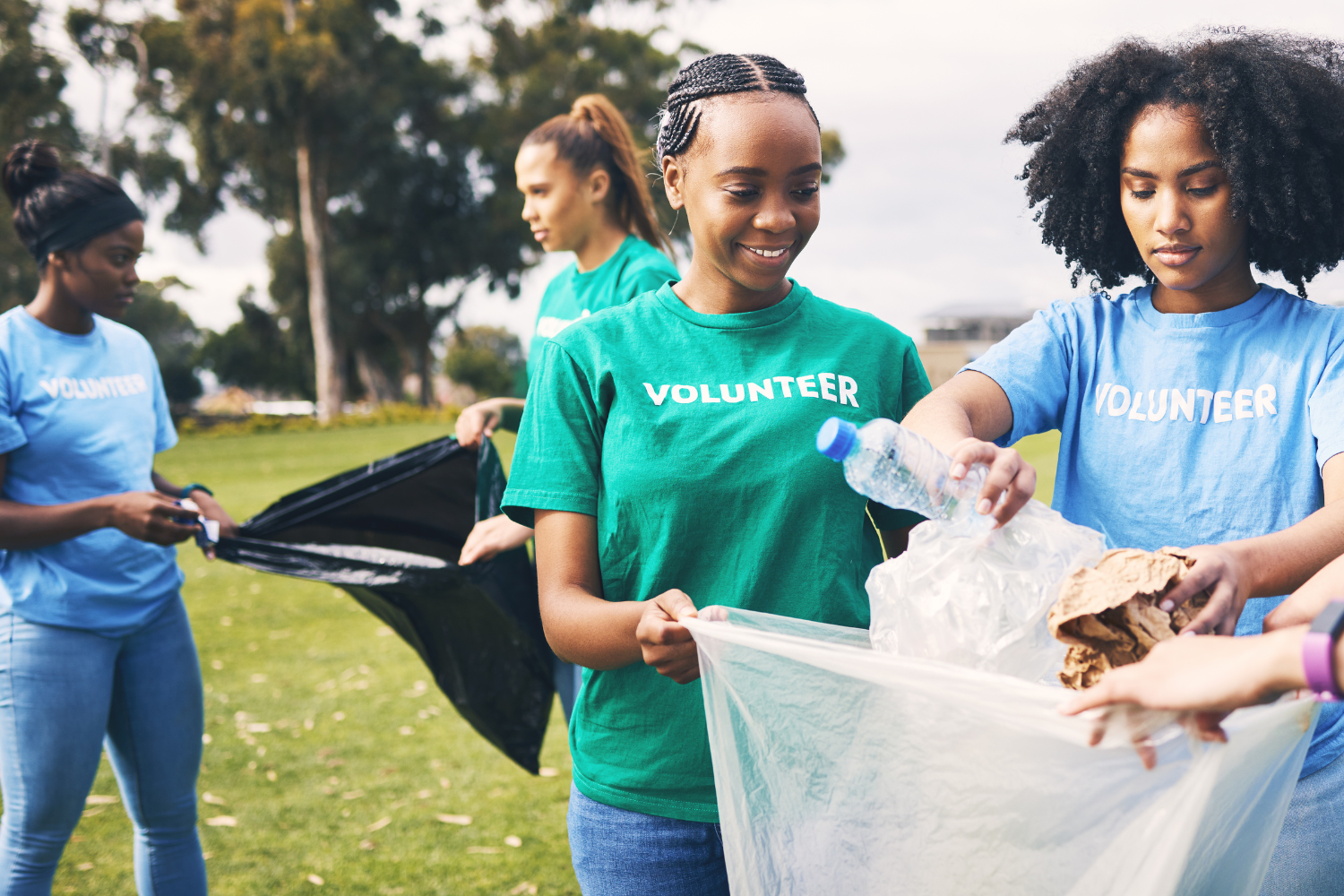
Most communities have numerous non-profit organizations in need of volunteer support. With school out for the summer, you have flexibility in your schedule to volunteer during the day. To make it more fun, find a friend to volunteer with.
Places of worship, food banks, thrift stores, hospitals, and animal shelters are just a few places that come to mind, but there are many others. Do you like working with children? Summer camps will be in full swing and often need extra help. Volunteering for a cause that’s important to you makes the experience more fulfilling.
Employment
Working part-time or full-time in the summer is a terrific way to spend what might otherwise be idle hours, not to mention a good way to grow your bank account. Showing up on time, working as part of a team, problem-solving, picking up new skills, and dealing with the public, especially cranky customers, provide personal growth opportunities.
I’ve heard from the mouths of MANY college staff members, including Admissions Representatives and Directors, Vice Presidents of Enrollment, and even College Presidents, about how they value freshman applicants with work experience. Why? They know these applicants have developed life skills that make them more likely to succeed in college.
Are you gifted in math or in playing an instrument? Many parents seek support during the summer months to improve their children's math or instrument skills and will pay you to do so.
Also, paid babysitting counts! Taking care of children in their parents’ absence is a significant responsibility. Sometimes, babysitters help with homework (tutoring), sibling disputes (conflict resolution), and other crucial tasks (requiring problem-solving and/or resourcefulness).
Career Exploration
Many colleges have an essay prompt asking, “Why This Major?” Some colleges evaluate your fit to the major you’ve indicated on your application. School-year activities and rigorous college prep coursework are essential, but so is intentional career exploration, which will help you affirm your interest(s) and add value to your application, showing that you’ve taken the initiative.
So many ways to do this!
Informational interviews and job shadowing These can be terrific ways to learn from professionals doing the work you’re interested in. Parents, extended family (aunts or uncles), and family friends can be good resources for finding contacts. Thinking outside the box, you could even conduct a virtual informational interview if the professional you’re interested in speaking with lives in a different location from you.
Online courses Coursera offers low-cost, online, short-term courses hosted by well-known colleges and universities. Over the years, many of my students (and some of their parents) have taken Coursera courses on topics such as Coding, Cybersecurity, The Biology of Cancer, The Psychology of Happiness, Financial Management Principles, and Literature: The Classics.
There are thousands of classes to choose from in numerous subject areas. These are not taken for a grade or college credits. The value is enrichment, affirming interest in a field, and showing initiative in career exploration. Take a look at their website, Coursera
In-person or online summer programs There are numerous opportunities, some local, some in other parts of the country, and even online options. Most are 1 to 2 weeks long and are often hosted by colleges, though not necessarily run by them. They provide the opportunity for deeper immersion in career fields or exploration of college majors. Note: Some applications require essays and/or letters of recommendation. Deadlines to apply vary. Many have deadlines in late winter/early spring months. Popular programs fill quickly.
Hobbies & Interests
With more free time, you can develop your hobbies or pick new ones to explore. Often, local park and recreation departments offer classes. YouTube is a great way to learn how to do something.
What interests do you have but have little to no time for during the school year? Be intentional about carving out time to pursue these activities. Pro Tip: Teach your hobby to a friend or sibling. Or, form a club for others you know who have similar interests.

Final Thoughts
What are you interested in learning about or trying? Summer frees up time to explore, learn, and reflect. When school starts again in August, what is it that you want to have accomplished during the summer break?
Some of the most insightful essays I’ve read from my students are the personal growth ones, often culled from summer experiences.
To learn more about me or my services, visit my website.
For the latest tips and advice, be sure to follow along on my social media.