

High school students may be academically prepared for college but not necessarily prepared for the independence that comes with it. The college experience requires a different level of personal responsibility than high school.
Executive function skills are the underlying abilities that help you manage yourself, your time, and your responsibilities.
One of the biggest adjustments you may face in college is learning how to manage everything that comes with being an independent college student. Increasingly, more high school students are struggling than in past years to develop the executive function skills needed for a successful first year in college.
So What Are Executive Function Skills?
Executive function skills are mental processes that help individuals plan, organize, regulate behavior, manage time, and accomplish goals.
These are foundational abilities that support several practical skills we rely on every day.

The 8 Essential Executive Function Skills for College Success
Learn what each skill is, why it matters in college, and what you can do now to begin developing these skills in high school.
1. Time Management
Meaning: Understanding how to allocate time, manage competing commitments, and meet deadlines.
In college:
You will be responsible for managing your own schedule. Deadlines are firm, not flexible.
Classes, studying, extracurricular activities, work, and social commitments compete for attention.
Professors may not provide frequent, or even any, reminders about assignments.
Do this now:
Use a digital or paper calendar. Pick what works best for you.
Work backward from major deadlines to plan your work.
Create consistent study routines.
2. Organization and Planning
Meaning: Keeping track of assignments, responsibilities, and long-term goals.
In college:
You will manage multiple courses, syllabi, assignments, and deadlines.
You must keep track of academic materials and important information on your own.
Do this now:
Maintain an organized backpack, workspace, and digital filing system.
Each week, review assignments and upcoming deadlines.
Break larger projects into manageable tasks.
Develop a system for keeping track of responsibilities.

3. Prioritization and Task Initiation
Meaning: Determining what needs attention first and getting started without waiting for someone else to provide direction.
In college:
Balance immediate assignments with longer-term projects.
Procrastination can quickly become overwhelming when multiple deadlines loom.
Professors expect you to take initiative.
Do this now:
Identify the most important tasks each day.
Use a priority list rather than simply working on whatever feels easiest.
Break intimidating assignments into smaller tasks.
Practice starting assignments independently.
4. Self-Regulation and Impulse Control
Meaning: Managing emotions, behaviors, and distractions to stay focused on goals.
In college:
You will have more freedom but less accountability.
Social activities, technology, and competing interests can interfere with academic responsibilities.
You must learn to balance immediate gratification with longer-term goals.
Do this now:
Establish boundaries around phone and social media use. It can be done!
Practice focused study sessions without distractions.
Learn to recognize when frustration or stress is affecting productivity.
Develop healthy strategies for managing emotions.
5. Metacognition and Self-Monitoring
Meaning: Metacognition is the self-awareness and understanding of how you learn, process information, solve problems, and make decisions. It’s understanding how you learn, recognizing your strengths and weaknesses, and evaluating your own progress.
In college:
Acknowledge when you don't understand course material. Seek help from faculty and peers.
You need to determine whether your study strategies are effective.
To be successful in a class, you might have to adjust your approach when something isn't working.
Do this now:
Think about what study strategies work best for you.
Ask: What went well? What could I do differently?
Seek help when needed rather than waiting until a problem becomes unmanageable. Support is available, but being proactive early in the term is better than being reactive the week of or the night before a test or due date.
6. Cognitive Flexibility and Problem-Solving
Meaning: Adapting to new situations, considering alternative approaches, and responding constructively to setbacks.
In college:
You’ll experience unfamiliar academic and social expectations.
Not every strategy that worked in high school will work in college.
Some students will have to work harder to do well, and some will have to learn how to study for the first time. May take some setbacks and trial and error to figure it out.
Do this now:
Learn to adapt when plans change.
View mistakes as opportunities to learn.
Develop strategies for working through academic and personal challenges.

7. Goal Setting and Follow-Through
Meaning: Set realistic goals, identify the steps needed to achieve them, and maintain momentum.
In college:
You will be responsible for your academic progress.
Long-term assignments and semester goals require consistency.
Motivation may fluctuate, making personal accountability important.
Do this now:
Set short-and long-term academic goals.
Create plans, with action steps, for accomplishing larger goals.
Check your progress.
8. Advocating for Yourself
Meaning: Recognizing when you need support and taking the initiative to seek it.
In college:
Professors expect students to communicate directly about questions or concerns.
Students must independently access tutoring, academic advising, and other campus resources.
Parents are no longer the primary point of contact for academic concerns, but they can be a great sounding board as you learn to advocate for yourself.
Do this now:
Learn to communicate directly with your teachers.
Practice asking questions and requesting clarification.
Take responsibility for resolving academic challenges.
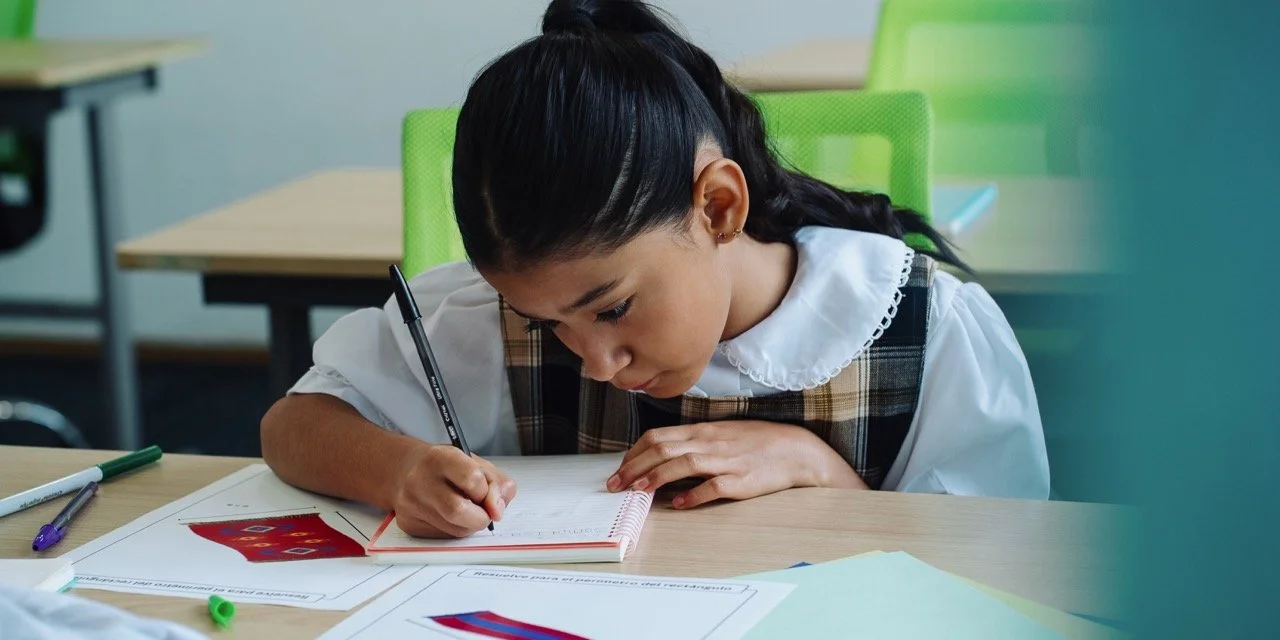
For a successful first year in college, you must learn to manage your time, organize responsibilities, prioritize tasks, make decisions, and take ownership of your learning. Developing executive function skills in high school can help you transition successfully to college life.
To learn more about me or my services, visit my website.
For the latest tips and advice, be sure to follow along on my social media.