
Looking Beyond Tuition: The Hidden Costs of College

When families begin planning for college, the first number they usually consider is the tuition. While tuition is certainly a significant expense, it tells only part of the story. The true cost of attending college often includes a variety of additional expenses that can add thousands of dollars to the annual bill. Depending on the college, the additional expenses, including room and board, can be equal to or higher than the college’s tuition.
The total of the tuition and these other expenses is called the “Cost of Attendance”. Understanding the total cost of attendance, including less obvious expenses, can help families build a realistic budget, compare colleges more accurately, and avoid financial surprises down the road.
Room and Board
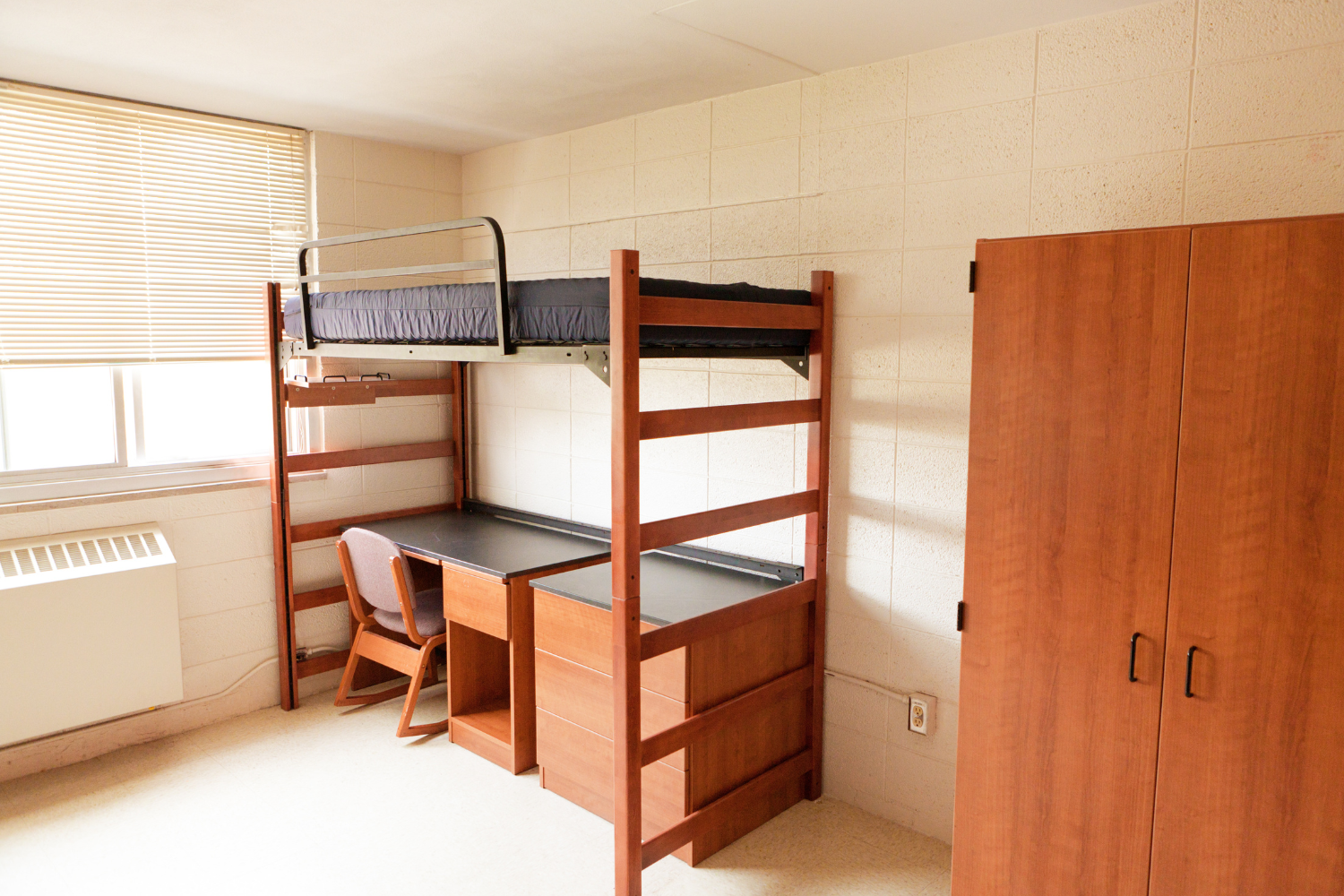
Housing and meal plans are often the second-largest college expense after tuition. Costs vary widely depending on the institution and whether a student lives on campus, off campus, or at home.
Many colleges require first-year students to live on campus and purchase a meal plan. There is a wide range of on-campus accommodations, from triple rooms with cinderblock walls in multi-story, Brutalist-style buildings to single rooms in seemingly luxurious suites in newly constructed residence halls.
Often, colleges require new freshmen to purchase a specific meal plan at a minimum, but offer the option to change after the first term. It can take students a while to figure out the optimum number of on-campus meals for the plan. The price tag can vary widely, too!
Books and Course Materials
While digital textbooks and rental programs have helped reduce costs, students can still spend hundreds or even thousands of dollars annually on books and required materials.
Some majors come with additional expenses. Engineering students may need specialized software, art students often purchase supplies, and science courses may have lab fees.
Sometimes there are fees for certain majors with newly constructed facilities. So a student may have to spend several hundred additional dollars for a course or two in the chosen major. Higher fees if all classes are in the major that semester.

Technology
A reliable laptop has become an essential college tool. Depending on a student's major, they may need a computer with specific technical capabilities. They may also need to purchase software subscriptions for certain majors.
Transportation
Travel expenses are easy to underestimate, especially for students attending college far from home.
Transportation costs may include:
Airfare or gas for trips home
Local public transportation
Parking permits
Car maintenance and insurance
Ride-sharing services
A college with lower tuition may ultimately cost more if travel expenses are substantial. But with careful planning, transportation expenses can be kept in check. I can recall purchasing Thanksgiving and end-of-semester flights for one son several months before the travel dates, e.g., buying tickets in the summer for Thanksgiving travel.
Personal Expenses
College budgets typically include an estimate for personal expenses. A good conversation to have is clearly defining who will pay for the personal expenses, the parent(s) or the student. Will the student pay from summer job earnings or a job on campus?
Personal Expenses include:
Laundry
Toiletries
Clothing
Haircuts
Cell phone bills
Entertainment & Meals Out
Club dues and social activities
These everyday expenses can easily total several thousand dollars each year.
Health Insurance and Medical Costs
Many colleges require students to havehealth insurance. Sometimes this fee is automatically factored into the college bill each term. Usually, proof of insurance coverage will remove the health insurance fee from the bill. Students who are not covered under a family plan may need to purchase the university's insurance policy.
Additional costs may include:
Prescription medications
Co-pays
Counseling services
Immunizations

Course and Program Fees
Some classes and majors have additional fees beyond tuition. These can include:
Laboratory fees
Studio fees
Clinical fees
Equipment rentals
Study abroad program costs
Greek Life, Clubs, and Campus Activities
Getting involved on campus is an important part of the college experience, but participation costs can add up.
Expenses may include:
Membership dues
Travel for competitions
Formal events
Special equipment
Conference registration fees
Greek life can be a significant expense. Club sports require travel to other college campuses, sometimes a significant distance. Transportation and lodging can add up!
These activities can definitely enrich the college experience, but should be factored into the budget.
Residence Life Expenses
Moving into a residence hall or apartment often requires purchasing essentials such as:
Bedding
Towels
Small appliances
Storage containers
Cleaning supplies
Furniture for off-campus housing
These one-time expenses can add up quickly, especially during the first year. Spend wisely. I’ve seen perfectly good furniture and other items discarded in the big bins during moveout!
Note: If you’re attending college a significant distance from home, you should consider renting storage space during the summer months. Research these and sign up early, as spaces can fill.
Keep in Mind
Choosing a college is about more than academics and campus life; it's also about affordability. The hidden costs of college add up. Do your research about these costs to make informed decisions and plan accordingly. A little planning today can help prevent costly surprises tomorrow!
To learn more about me or my services, visit my website.
For the latest tips and advice, be sure to follow along on my social media.