
From Graduating High School Senior to Successful College Freshman: What’s Essential

Congratulations on Your High School Graduation!
This is an important milestone, and now you’re ready to begin the next phase of your life’s journey.
The transition from high school to college is one of the most meaningful shifts in your academic journey, bringing greater independence, new expectations, and exciting opportunities for growth. At the same time, it can feel unfamiliar or even overwhelming.
Understanding the Shift: It’s More Than Academic
College is not simply a more advanced version of high school; it’s a different environment entirely.
You will be expected to:
Manage your own time without a built-in structure
Keep track of assignments and deadlines independently
Advocate for yourself with professors and advisors
This increased autonomy is what makes college both exciting and, at times, challenging. Recognizing this shift will help your adjustment go more smoothly.
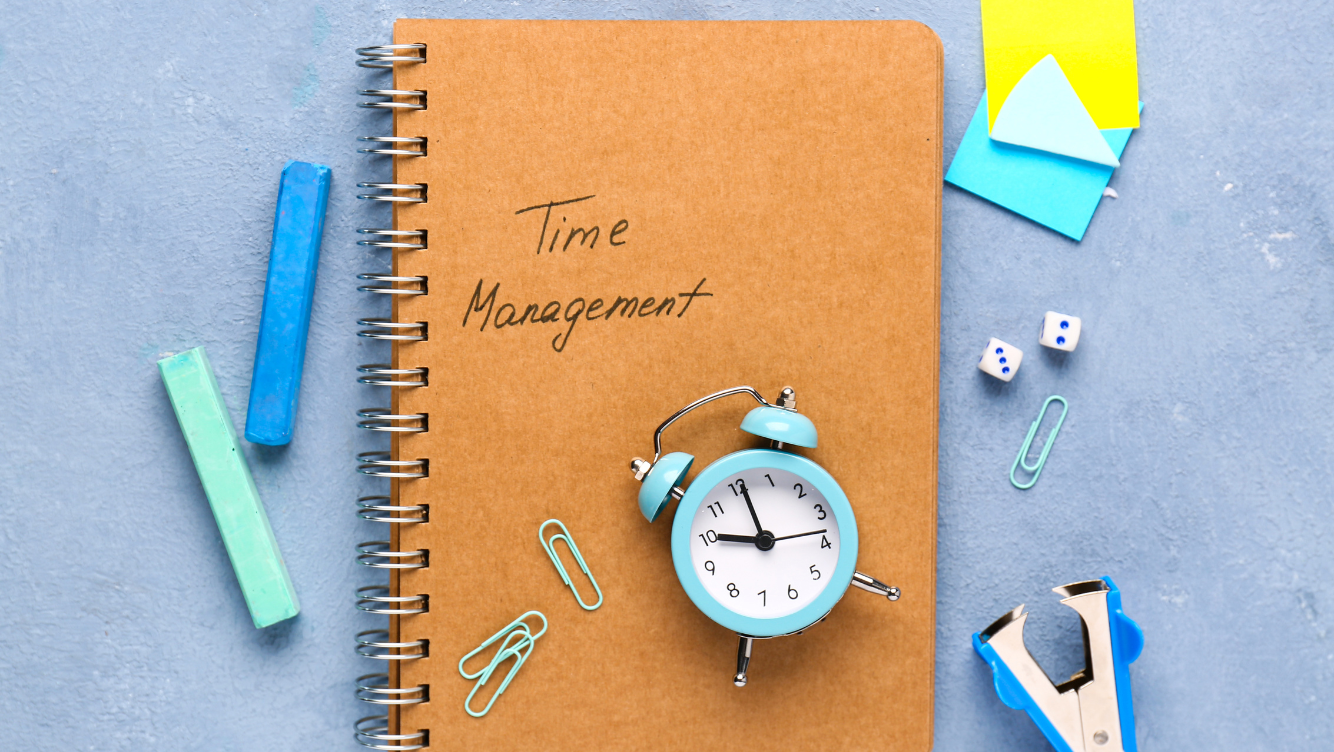
Establishing Strong Time Management Habits
One of the most important skills you’ll develop in college is managing your time effectively.
Your schedule will be more open than it was in high school, but that time is meant for studying, reading, completing assignments, and getting involved on campus.
Set yourself up for success by:
Using a planner or digital calendar consistently
Mapping out all syllabi at the start of the term
Starting assignments well before deadlines
A helpful guideline: plan for two to three hours of work outside of class for every hour you spend in class.
Taking Ownership of Your Learning
In college, learning becomes an active process. You’re not just completing assignments, but you’re also engaging with ideas.
This can look like:
Attending professors’ office hours to ask questions
Participating in class discussions
Seeking tutoring or academic support early
Your college will offer many resources, but it’s up to you to take the initiative to use them. Be proactive-don’t wait until you’re overwhelmed or doing poorly in a class.

Building Effective Academic Habits
Consistency will serve you far better than a last-minute effort.
Focus on:
Reviewing notes regularly instead of cramming
Breaking large assignments into manageable steps
Creating a weekly study routine
The habits you build in your first semester can shape your entire college experience and impact your GPA.
Finding Connection and Community
A sense of belonging matters.
As you begin college, make an effort to:
Join clubs or student organizations
Introduce yourself to classmates
Stay open to new friendships
Most colleges have club & organization fairs early in the semester. Try things out. Some might work well for you, others not. But you won’t know unless you try.
Developing Communication Skills
College requires a more professional and proactive approach to communication.
You’ll need to:
Email professors clearly and respectfully-yes, email! It’s the primary method of communication in college and beyond.
Ask for help when you need it
Advocate for yourself in academic settings
These are skills that extend far beyond college.

Managing Finances Responsibly
This may be your first experience managing your own finances.
Be intentional about:
Tracking your spending and understanding your budget
Being mindful of discretionary expenses
Using credit cautiously, if at all
Building these habits early can prevent unnecessary stress and debt later.
Prioritizing Health and Well-Being
Your academic success is closely tied to how well you take care of yourself.
Make it a priority to:
Maintain consistent sleep habits
Stay active and fuel your body with nutrient-dense food
Learn about campus health and counseling resources
These habits are foundational for creating and maintaining your well-being.
Embracing Growth Through Discomfort
It’s absolutely normal to feel uncertain at times, especially in your first semester.
Growth often comes from:
Trying new experiences
Navigating unfamiliar situations
Learning to problem-solve independently
Discomfort is not a sign that something is wrong. It’s often a sign that you’re experiencing personal growth.
Intentional Personal Development
College is not just about grades. It’s also about your personal development.
Take time to consider:
The skills you want to develop
The experiences you want to have
How you want to grow as a person
Being intentional will help you create a more meaningful and balanced college experience. The four years do fly by!
Final Thoughts
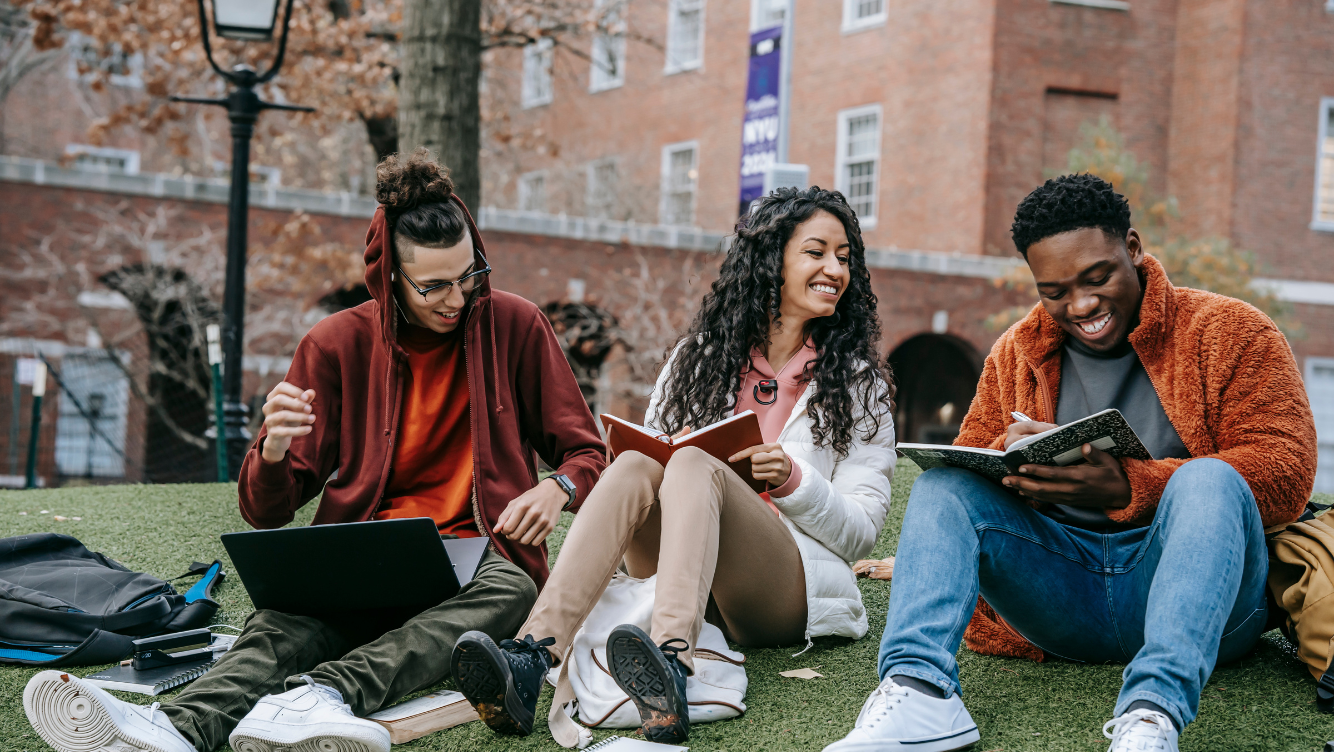
You don’t need to have everything figured out as you begin college.
What matters most is your willingness to show up, stay organized, and adapt along the way.
Being aware of the differences between high school and college will help you move forward with confidence, ready to take ownership of your experience and make the most of what lies ahead.
I wish you all the best in this exciting new chapter of your life!!
To learn more about me or my services, visit my website.
For the latest tips and advice, be sure to follow along on my social media.